The Problem : A Food System That No Longer Makes Sense
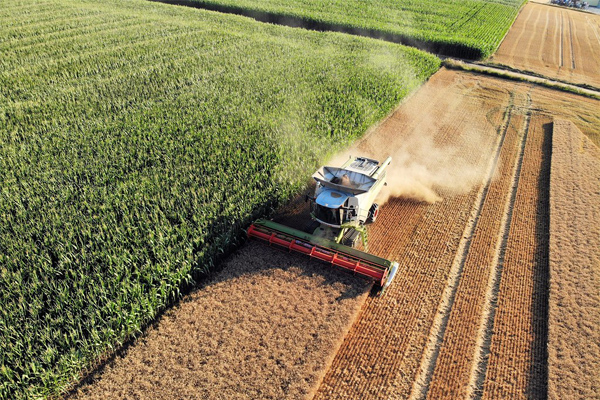
Crops are grown in places they don’t belong, requiring massive amounts of fertilizers, pesticides, and water just to survive.
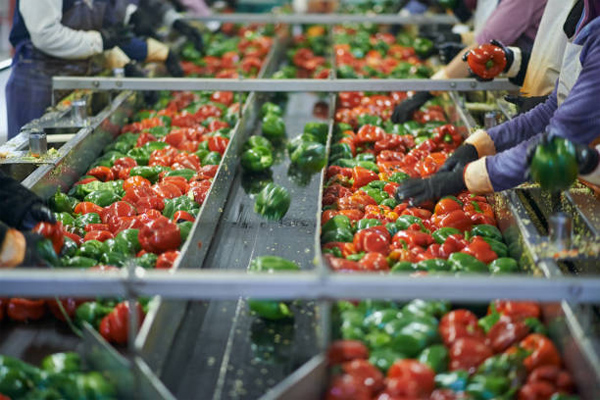
Food is processed for efficiency, not nutrition, stripped of its value and packed with artificial additives.
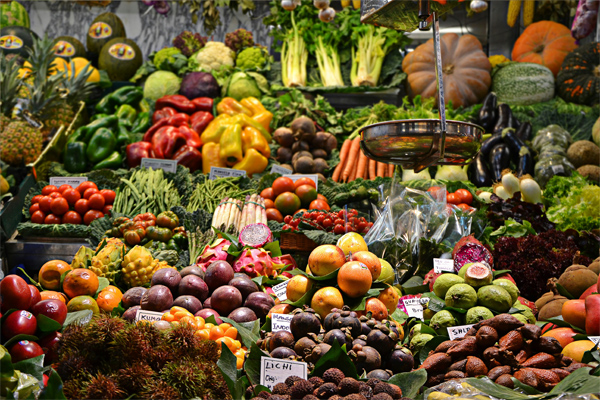
Consumers are disconnected from the seasons, the soil, and the ecosystems that sustain them, expecting strawberries in winter and bread made from wheat grown thousands of miles away.
This system has produced abundance, but it is increasingly fragile, wasteful, and dependent on external inputs. And as environmental and economic pressures grow, one thing is clear: it cannot last as it is.
The question is not whether change is coming. The question is : Do we brace for disruption—or build something better? At the Locally Adapted Foods Initiative (LAFI), we believe it’s time to build.
The Solution : A Food System That
Works With the World, Not Against It
LAFI is not about going backward. It’s about moving forward—smarter, more resilient, more aligned with the places we live and the people we feed.
We believe food systems should be:
Crops are grown in places they don’t belong, requiring massive amounts of fertilizers, pesticides, and water just to survive.
Transformed to preserve value, not create waste — We research and develop food processing methods that maintain nutrition, reduce waste, and support small-scale, adaptable systems.
Consumed with awareness and adaptability — We encourage a culture of eating that reflects what is available, seasonal, and ecologically sound—rather than forcing ecosystems to meet rigid expectations.
What We Do at LAFI
We conduct research, develop strategies, and test practical solutions that realign how we grow, process, and consume food—placing adaptation, ecology, and local relevance at the center.
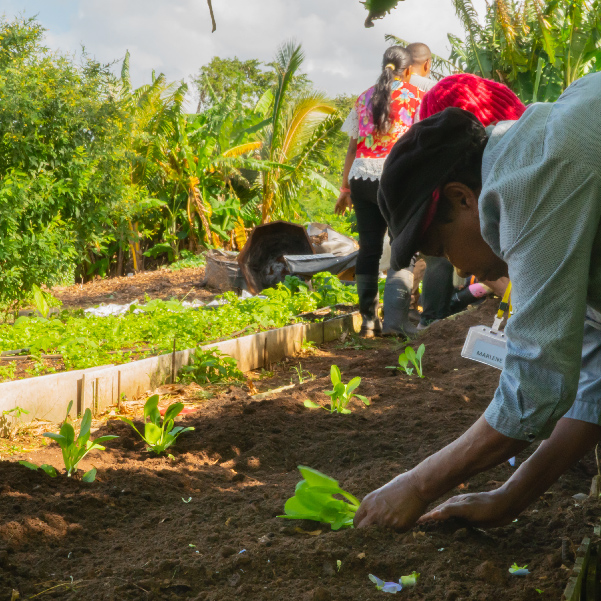
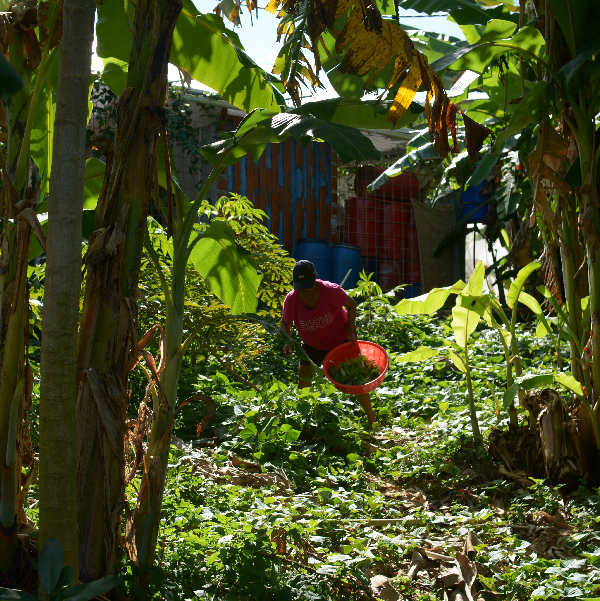
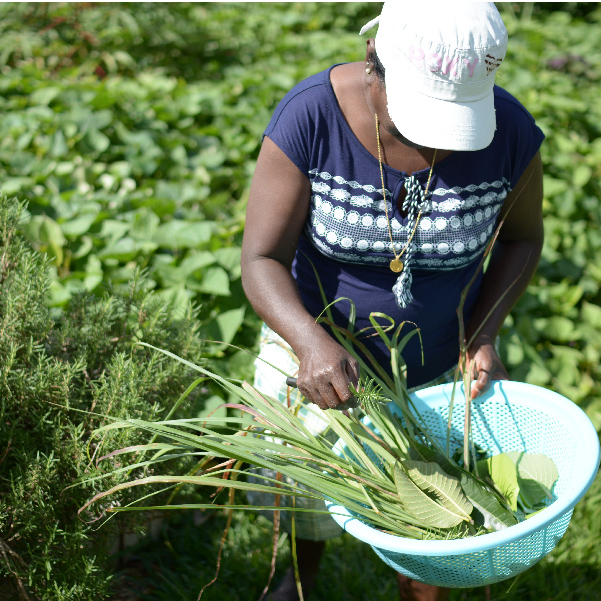
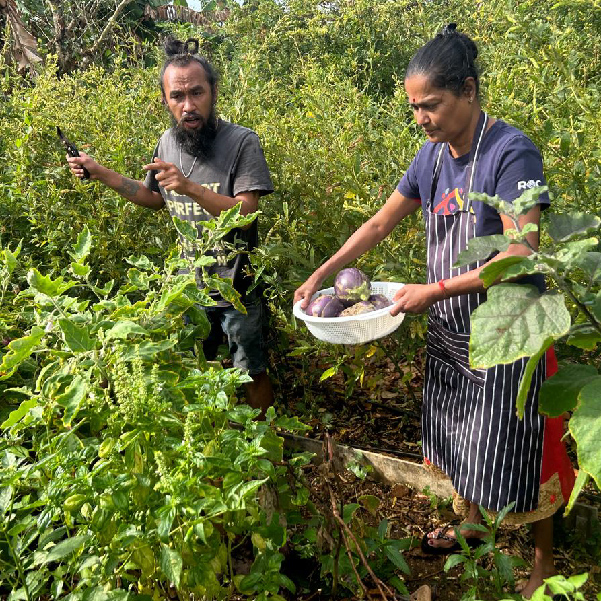
Farming that fits the land — We work on adapted farming systems rooted in specific environmental realities: local soils, climates, and biodiversity.
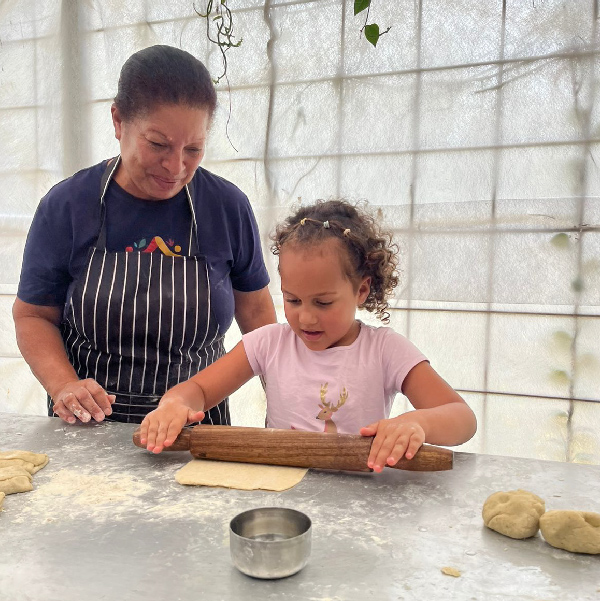
Processing that makes sense — We explore how food can be transformed efficiently and sustainably, preserving nutrition and making the most of what nature offers.
Eating that adapts — We study how food culture can evolve, supporting shifts toward diets that are diverse, nutritious, and locally grounded.
Our Actions
Revolutionizing the Food System
LAFI aims to transform our food system, ensuring it’s sustainable from the soil to the plate.
Discovery and Development
While LAFI values traditional local produce, a significant emphasis is on re-discovering, creating and developing produce and recipes.
Sustainable Agriculture
LAFI is dedicated to promoting energy-efficient, low-carbon, and sustainable agriculture rooted in local terroir.
Culinary Innovation
Beyond just produce, LAFI is crafting a new culinary culture by developing innovative recipes and transformation techniques that highlight the richness of local ingredients.
Nutrition and Taste
Foods under LAFI are designed to be both nutritious and flavorful, emphasizing the quality and benefits of local produce.
Collaborative Approach
LAFI operates in partnership with various entities, including NGOs and private organizations, to collectively further the goals of sustainable agriculture, product development, and local culinary culture enhancement.
Why It Matters: The Future Depends on Adaptation
Our food choices are increasingly shaped by distant markets—not by the logic of place, season, or sustainability.
Soil depletion and chemical dependency are undermining long-term food security. We need regenerative models.
Ultra-processed foods and wasteful supply chains are harming both health and ecosystems.
Farming that fits the land — We work on adapted farming systems rooted in specific environmental realities: local soils, climates, and biodiversity.
LAFI exists to respond to these realities—not with ideology, but with research, creativity, and collaboration. We are building food systems that don’t collapse under stress—but instead adjust, regenerate, and endure.
Partners
LAFI is not just research. It is a vision for a food system that works with the land, not against it.
We invite researchers, farmers, food innovators, and communities to rethink the way we grow, process, and eat.
We invite institutions and policymakers to support approaches that balance productivity with long-term resilience.
We encourage food businesses to innovate toward models that are regenerative, local, and forward-looking.
Will you be part of it?
Join the Movement for Real Food Resilience